National Gallery of Armenia
Yerevan, Armenia · 38 works · 14 painters
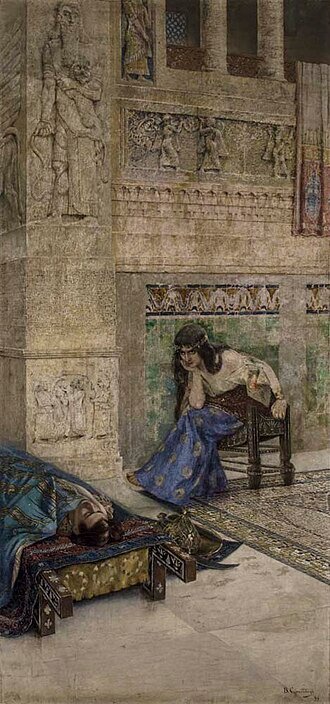
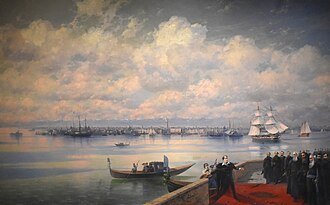
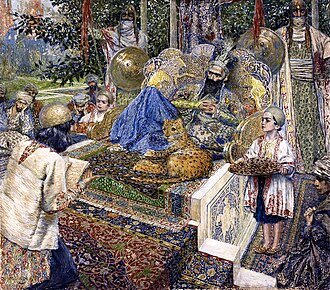
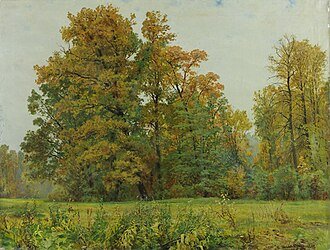
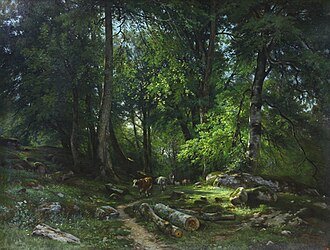
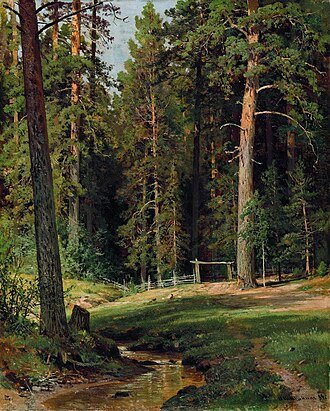
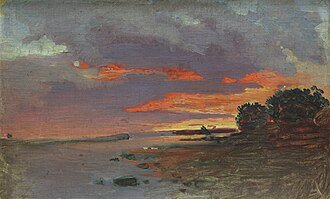
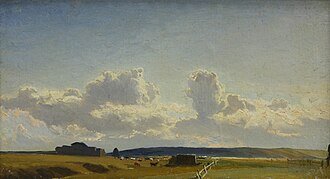
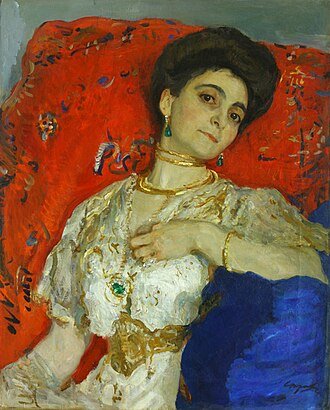
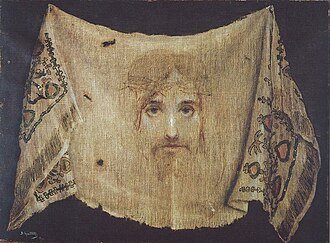
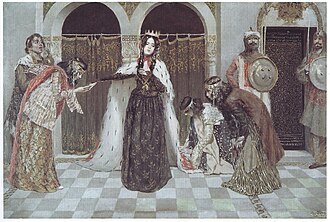
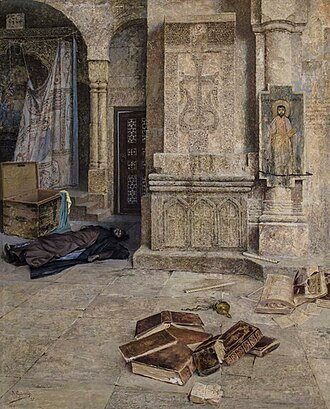
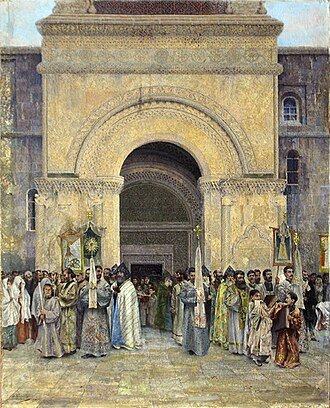
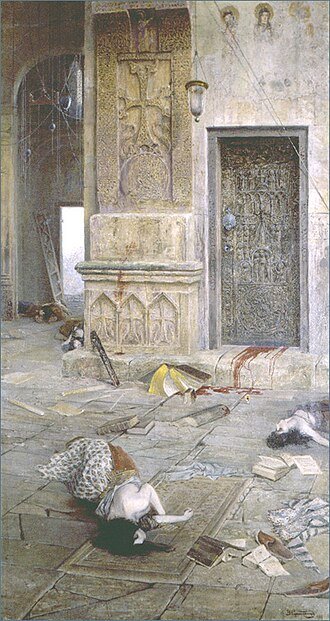
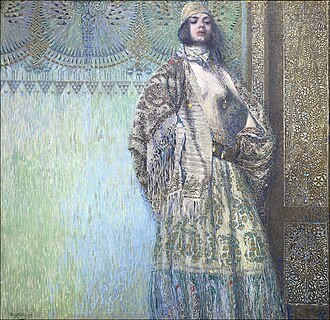
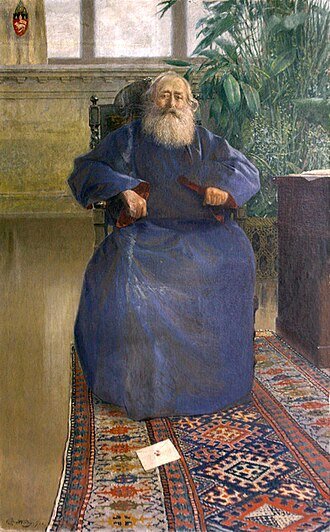
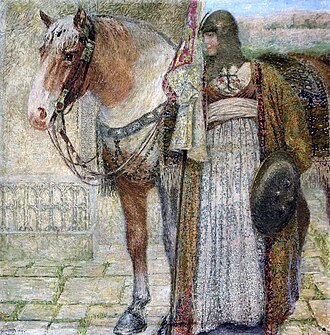
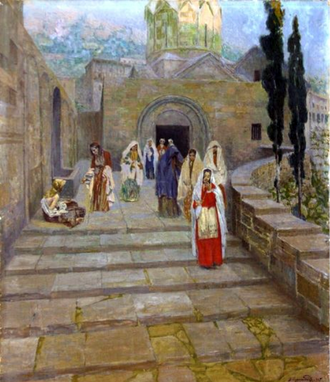
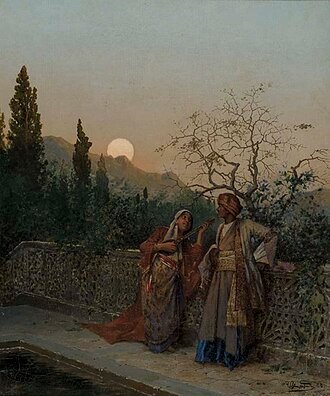
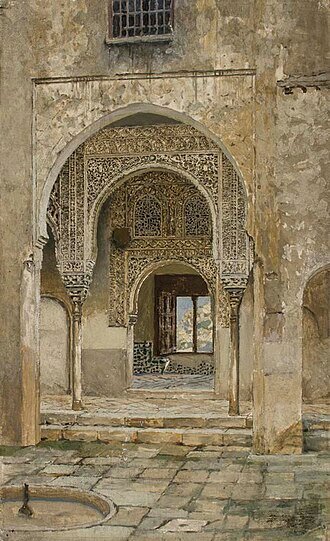
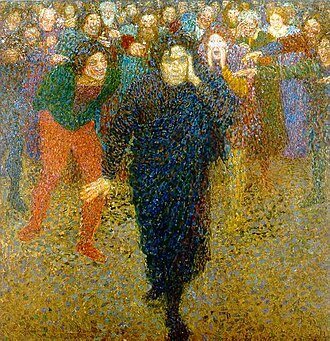
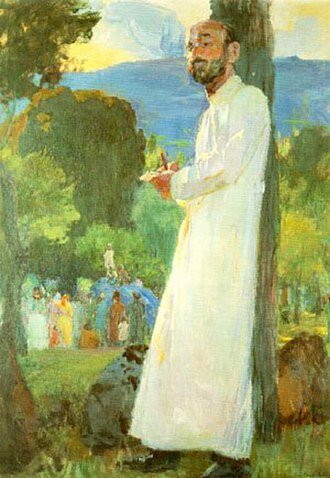
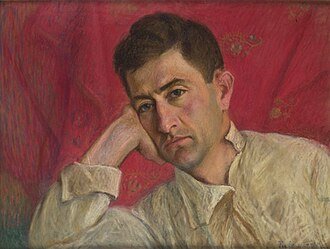
The National Gallery of Armenia is the main art museum in Yerevan, the capital of Armenia. It stands on Republic Square, one of the city's busiest hubs, and shares its building with the History Museum of Armenia. Its origins lie in the years after 1918, when the Democratic Republic of Armenia was founded and exiled Armenians from around the world returned, prompting the rapid creation of new cultural and educational institutions. The gallery building was completed in 1921 by the architect Alexandre Tamanian, and the institution was conceived from the start as the art section of the state museum. Its early organisation was entrusted to the painter Martiros Saryan, who left Rostov-on-Don to prepare the first exhibition of works by Armenian artists; shortly afterwards, the painting collection of the Lazarev Institute in Moscow arrived in Yerevan. Through the Soviet period the institution changed names several times, becoming the National Gallery with Armenia's independence in 1991. Its holdings have grown largely through purchases and donations, and a larger new wing opened in 1978 to house the expanding collection. On the museum's website, the most represented artist is Vardges Sureniants, with fourteen works, followed by Iván Shishkin with four, and Iliá Repin, Eduard Isabekyan, Ivan Aivazovsky, Martiros Sarian, Fyodor Vasilyev and Yeghishe Tadevosyan. Notable pieces include Descent of Noah from Ararat by Aivazovsky, Semiramis at the Corpse of Ara the Beautiful by Sureniants, Egyptian Masks by Sarian, and several Shishkin landscapes such as In the Forest.
Works