Van Gogh Museum
Amsterdam, Netherlands · 240 works · 17 painters
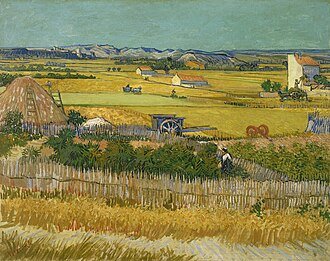
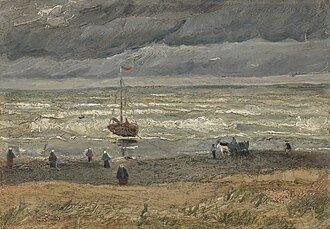
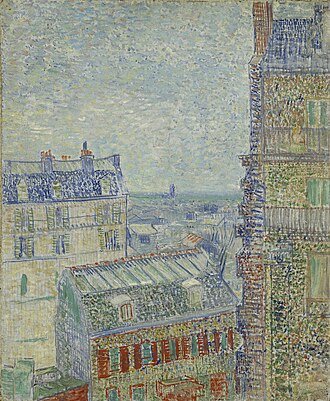
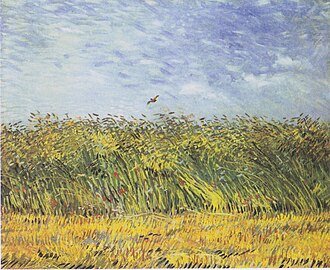
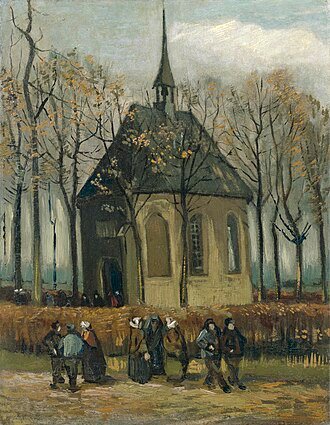
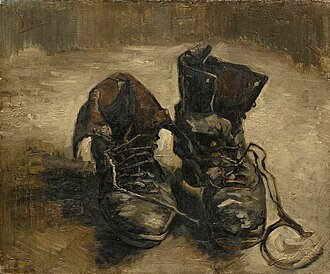
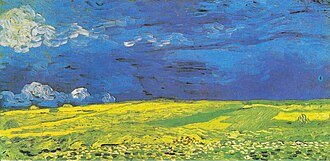
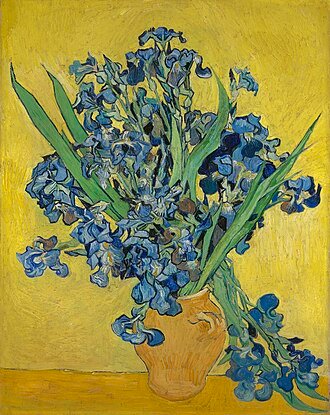
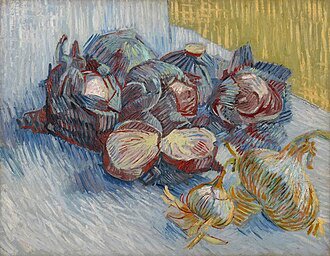
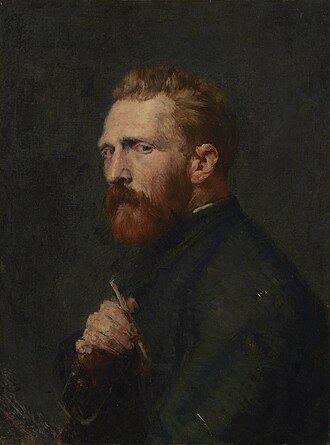
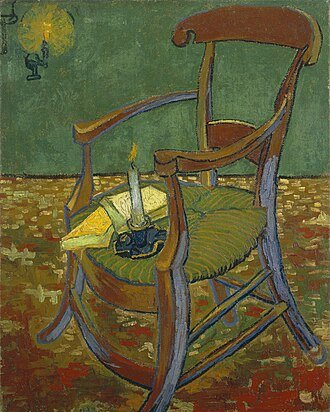
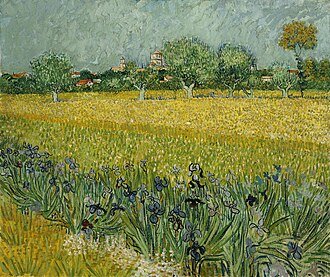
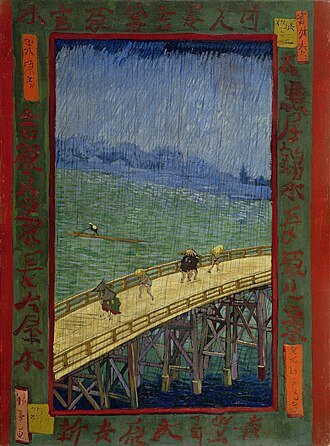
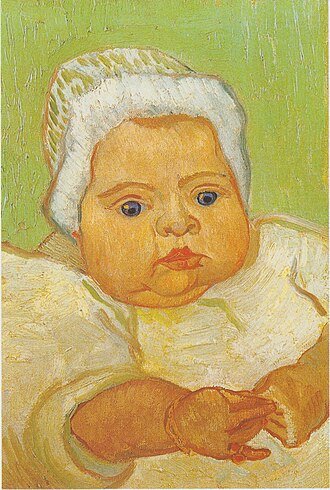
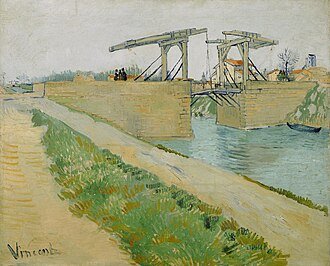
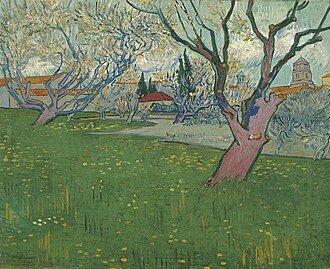
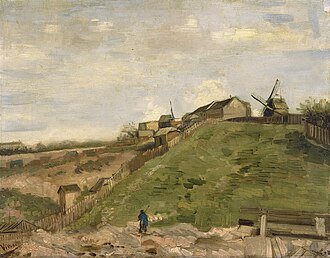
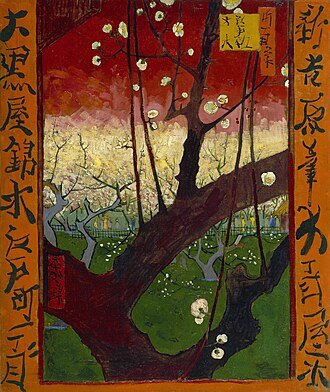
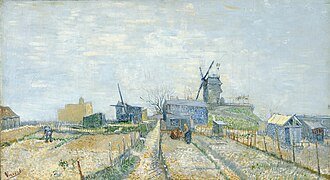
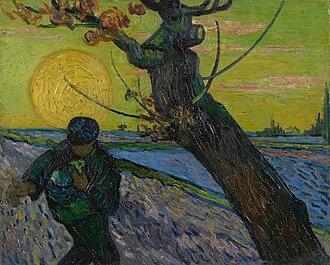
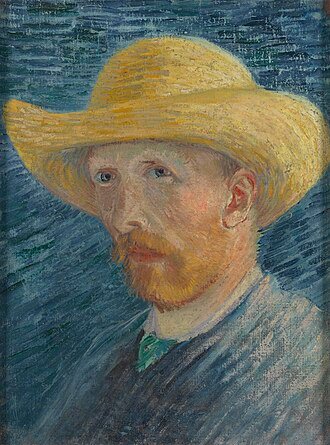
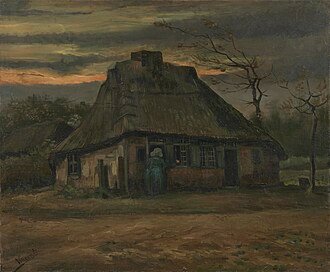
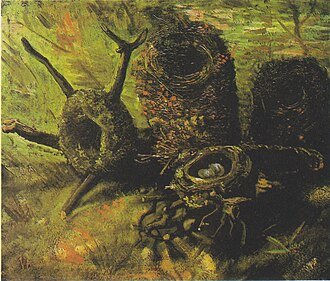
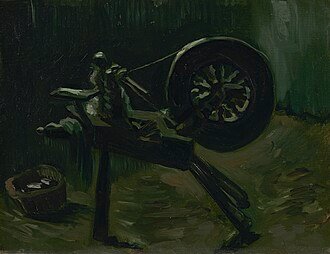
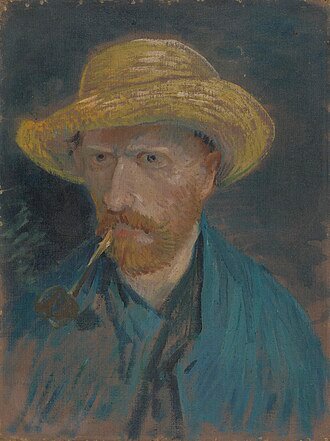
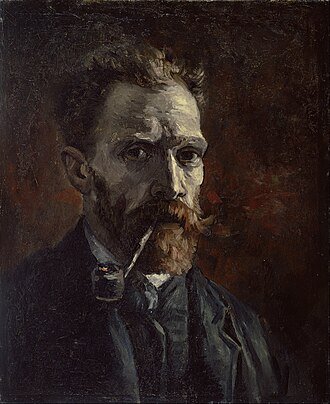
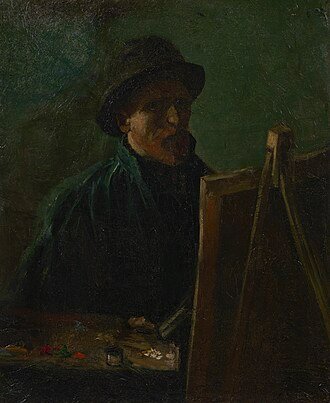
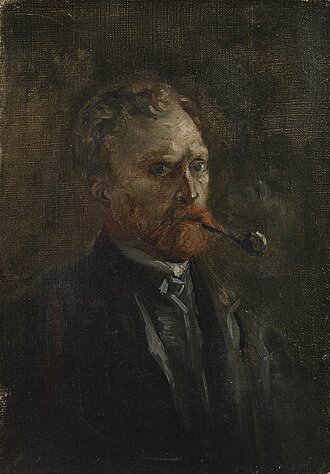
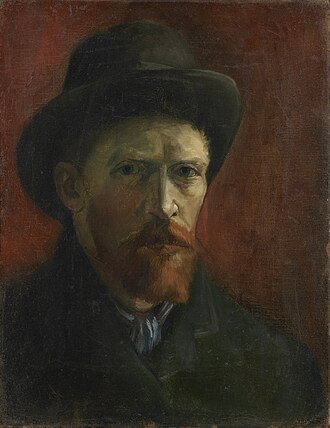
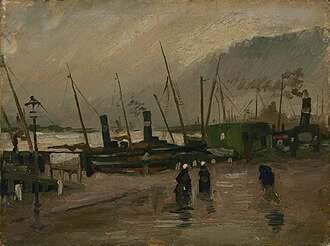
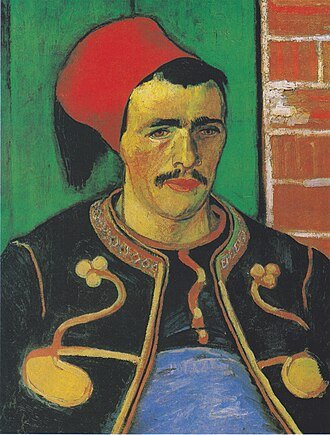
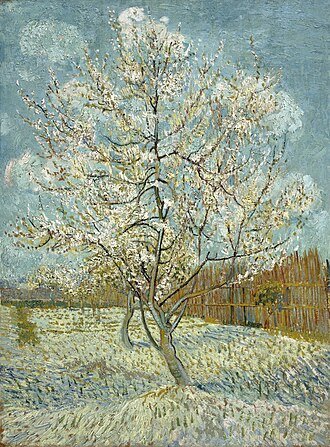
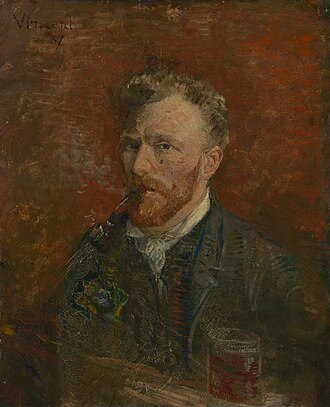
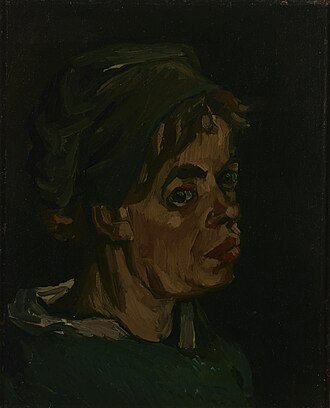
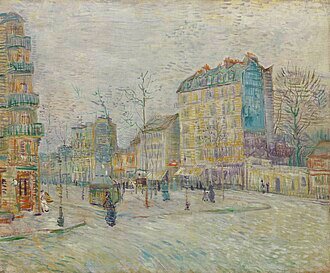
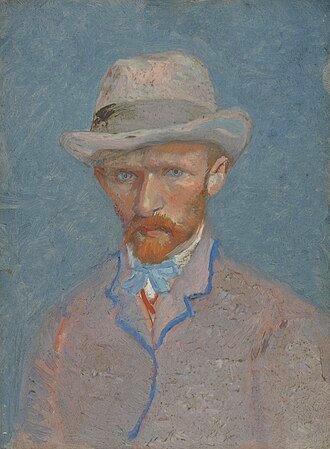
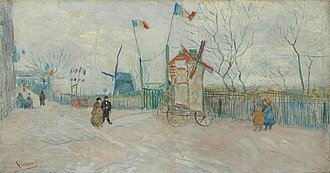
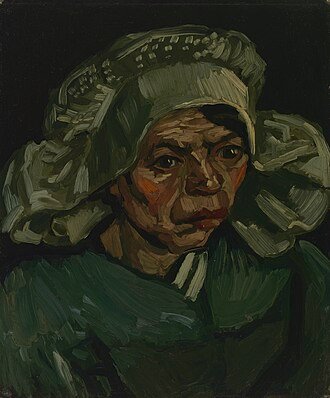
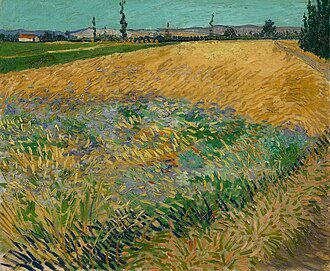
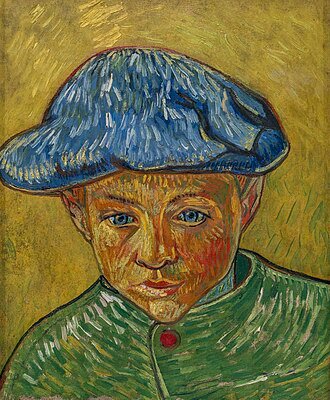
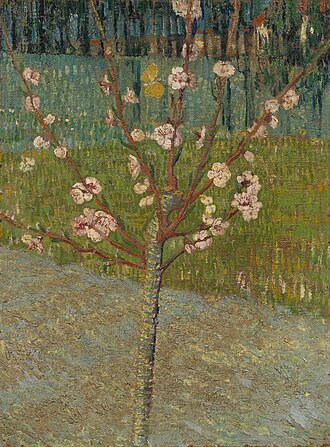
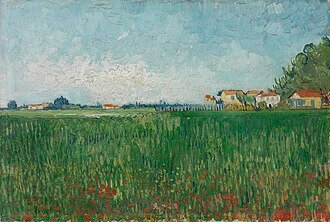
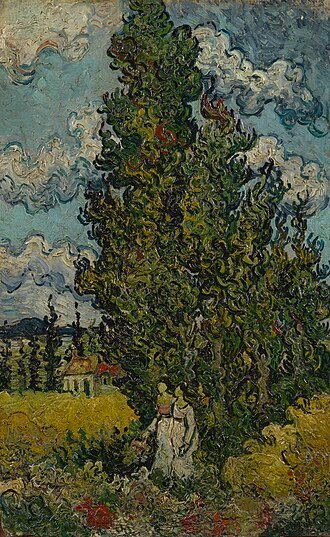
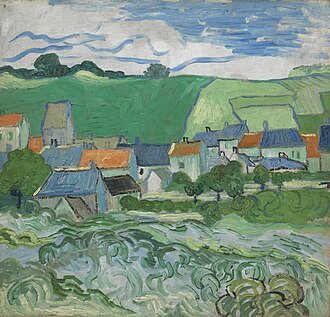
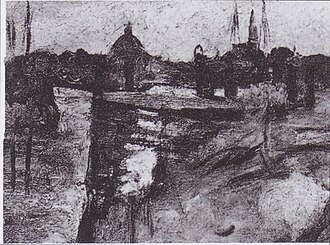
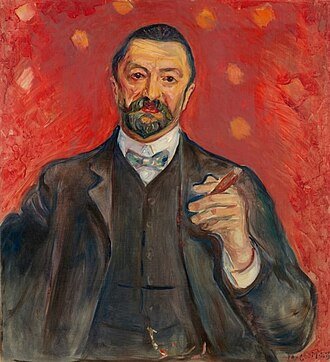
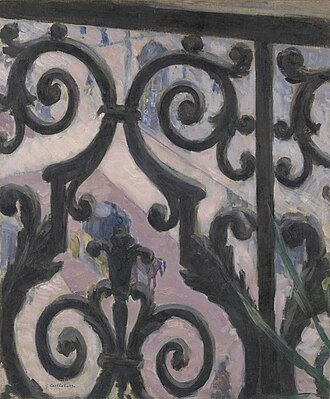
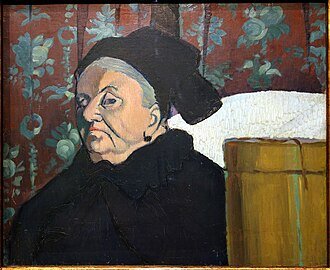
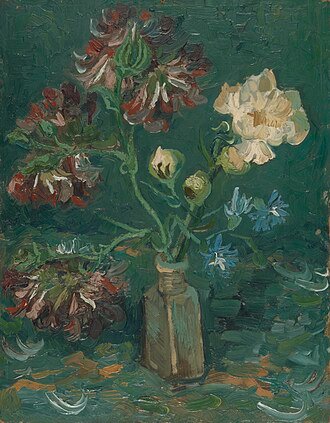
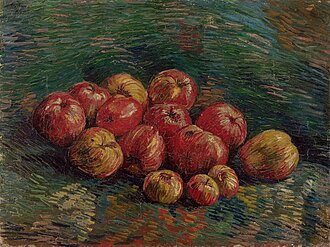
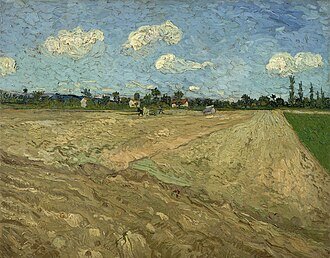
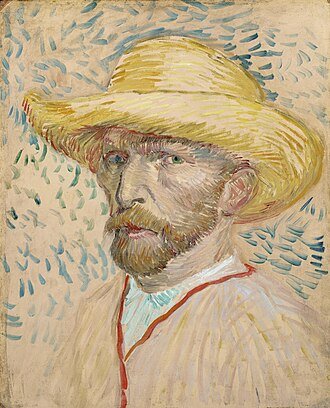
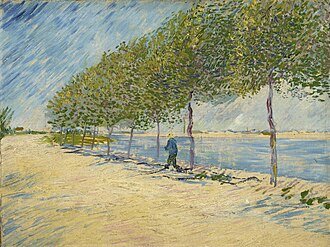
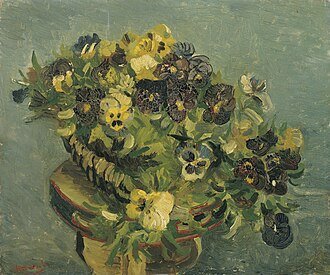
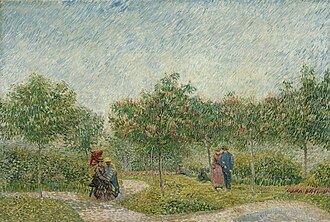
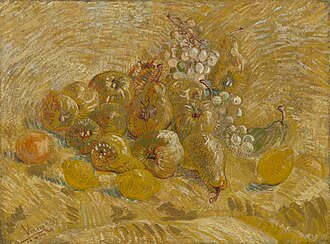
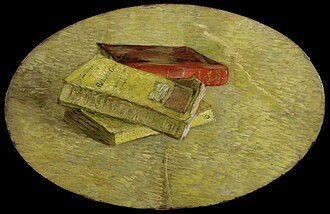
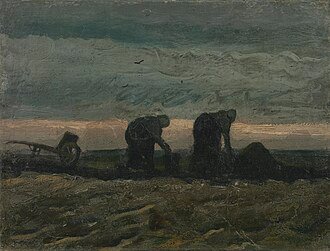
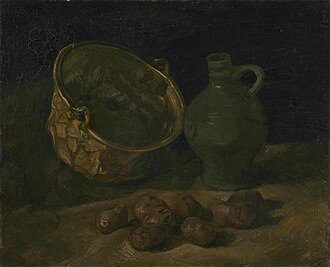
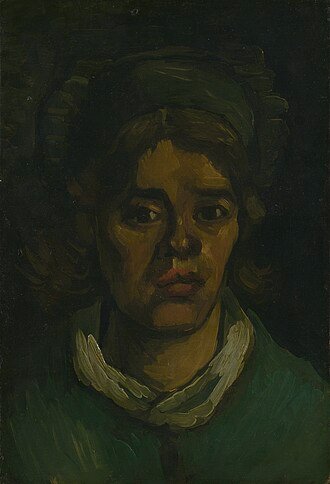
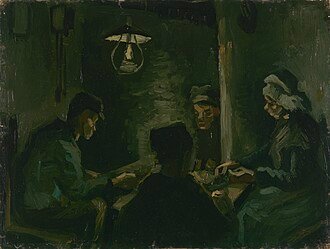
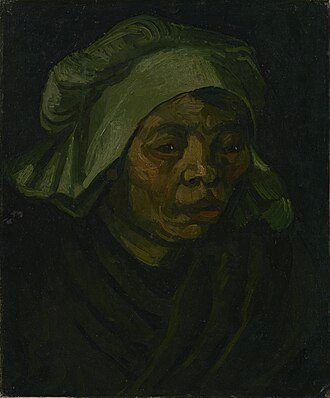
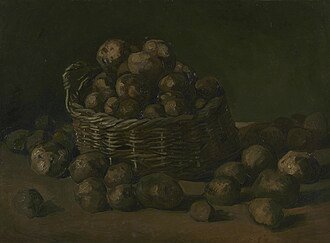
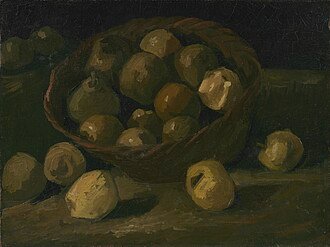
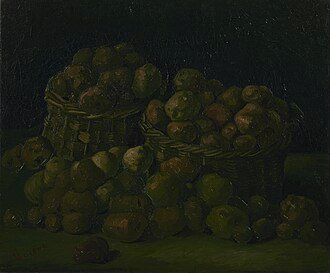
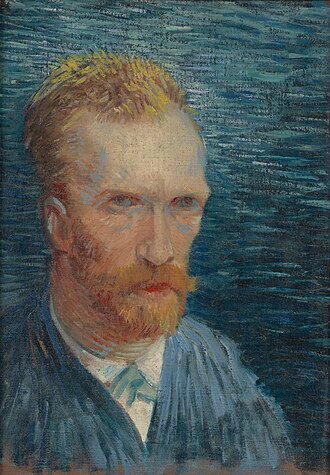
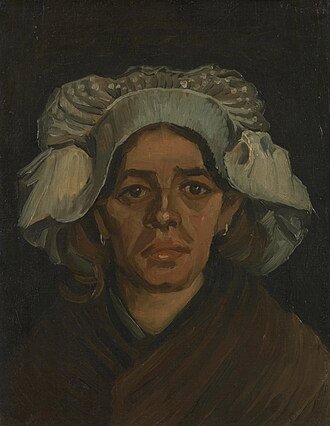
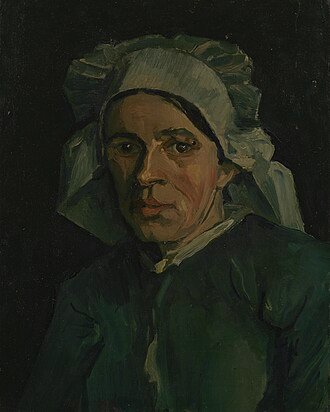
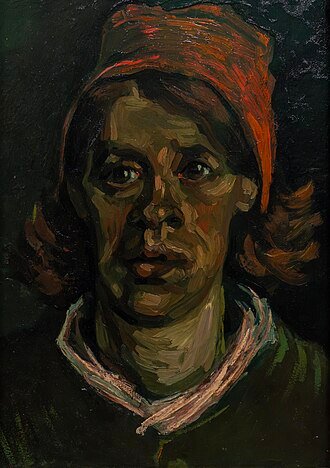
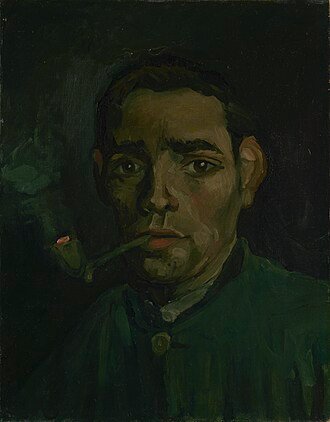
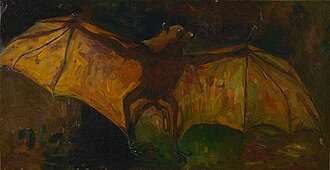
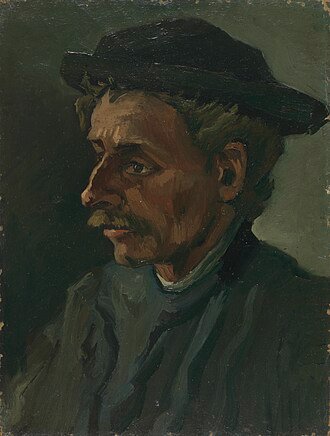
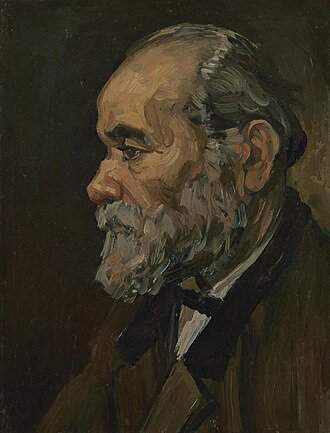
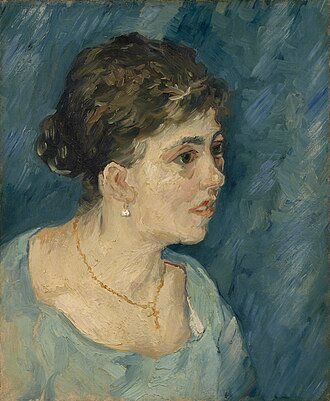
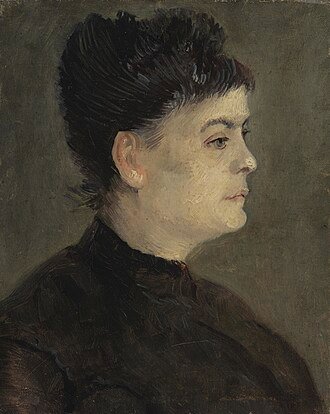
The Van Gogh Museum stands in Amsterdam, the Netherlands, and is devoted mainly to the work of the Dutch painter Vincent van Gogh. Its story begins with the estate he left when he died at the age of 37: roughly 900 paintings and around 1,100 drawings, very few of which he had managed to sell. Everything passed to his younger brother Theo, an art dealer who had also gathered works by Paul Gauguin, Toulouse-Lautrec, Léon Lhermitte and Jean-François Millet. Theo died a year after Vincent, so the inheritance fell to his widow, Johanna van Gogh, who returned to the Netherlands, organised the first exhibitions of the painter's work and helped publish his letters in several languages. The first major show took place in 1905 at the Stedelijk Museum. Later, their son, the engineer Vincent Willem van Gogh, lent the collection to various museums and in 1962 entrusted it to a foundation. The museum opened in 1976 and occupies two buildings: the original one, designed by Gerrit Rietveld and inaugurated in 1973, and the exhibition wing by Kishō Kurokawa, completed in 1998. It holds 213 paintings by Vincent van Gogh from all phases of his career, about 406 drawings, and most of his surviving letters. Key works include The Potato Eaters, The Bedroom in Arles and a version of Sunflowers. The nineteenth-century collection that Theo began has grown steadily, with works by Bernard, Caillebotte, Manet, Monet, Pissarro, Seurat, Signac, Redon and other artists of the period.
Works