Kelvingrove Art Gallery and Museum
Glasgow City, United Kingdom · 22 works · 15 painters
The Kelvingrove Art Gallery and Museum in Glasgow, Scotland, is the city's leading art gallery and museum, and it holds one of the largest collections of civic art in Europe. Set in the West End beside Kelvingrove Park, just below the main campus of the University of Glasgow, it is Scotland's second most popular tourist attraction and the most visited museum in the United Kingdom outside London.
The institution began in the late nineteenth century in Kelvingrove House, an eighteenth-century mansion east of its present site. The building used today was designed by John W. Simpson and E.J. Milner Allen and opened in 1901, the year of the Glasgow International Exhibition. Its construction was partly funded by profits from the earlier International Exhibition of 1888, held in the park. The Spanish Baroque building is made of the red sandstone traditional to the city. Its centrepiece is a large organ, originally built for a concert hall and still a highlight of the main hall.
After a three-year restoration, it was reopened in 2006 by Queen Elizabeth II, with extra space that allows around 8,000 objects to be displayed.
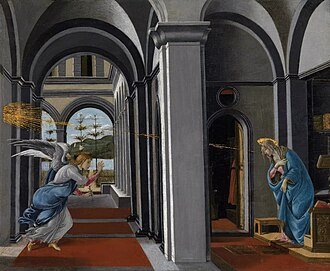
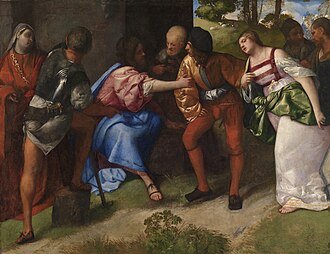
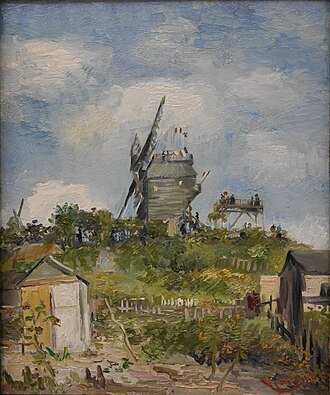
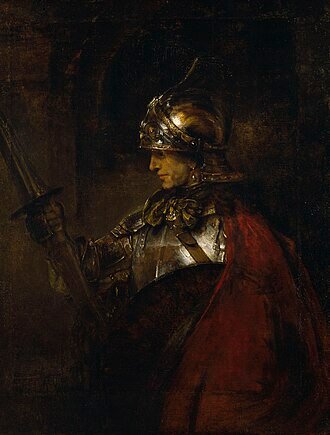
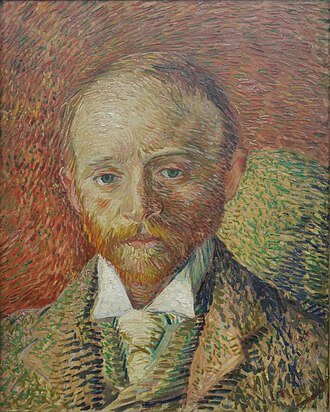
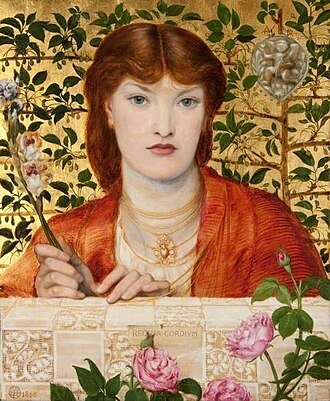
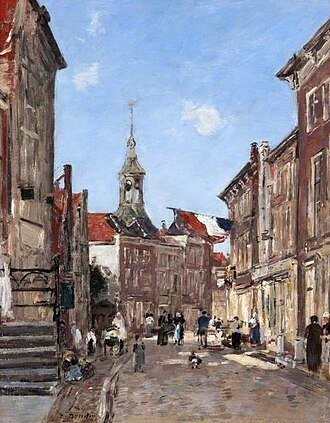
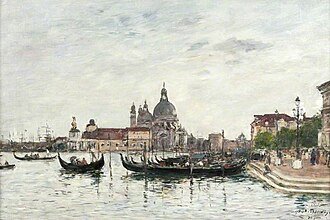
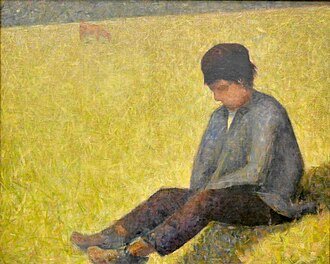
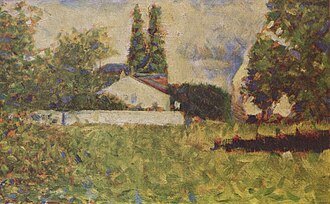
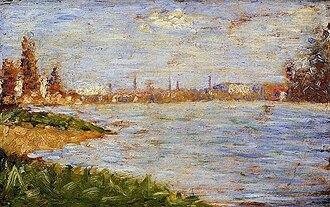
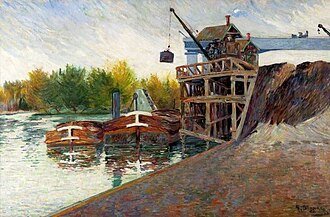
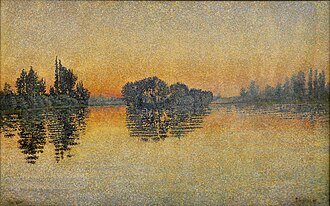
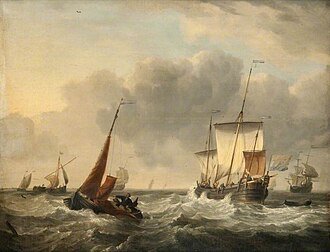
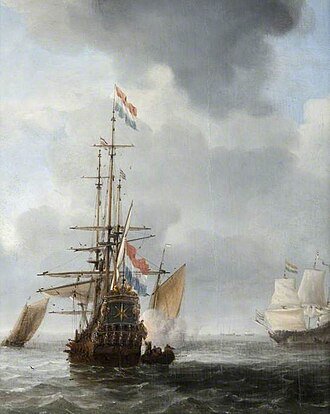
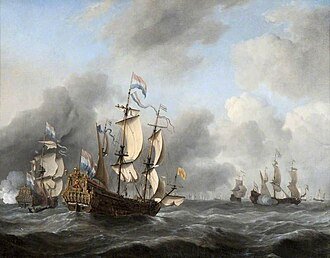
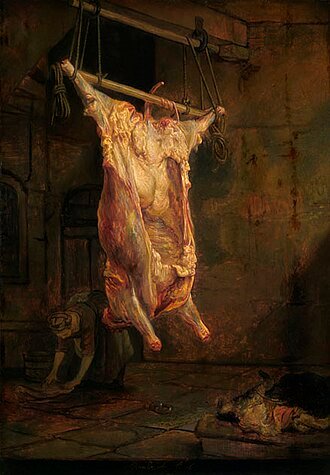
The painting collection includes works such as Sandro Botticelli's Annunciation, Rembrandt's Man in Armour and Salvador Dalí's Christ of St John of the Cross. The artists most represented on the museum's website include Georges Seurat, Willem van de Velde the Younger, Vincent van Gogh, Paul Signac and Eugène Boudin, alongside pictures by Titian, Henri Matisse and Dante Gabriel Rossetti. The museum also preserves examples of the so-called Glasgow School, the medieval armour known as the Avant, and collections of Egyptian art and natural history.
Works