Museum of Fine Arts of Córdoba
Córdoba, Spain · 20 works · 9 painters
The Museum of Fine Arts of Córdoba, in Córdoba, Spain, opened in 1844 and since 1862 has occupied the former Hospital de la Caridad on the Plaza del Potro, a building it shares with the Julio Romero de Torres Museum. Its origins lie in works coming from the Mendizábal disentailment of 1835, gathered by commissions that included intellectuals and artists. Before moving to its present home, the holdings were scattered across several buildings in the city. Since 1962 it has been classed as a historic-artistic monument.
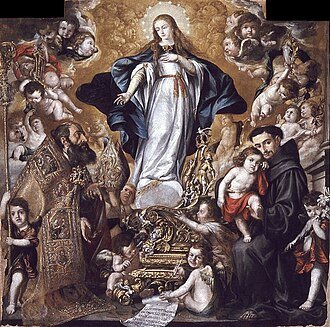
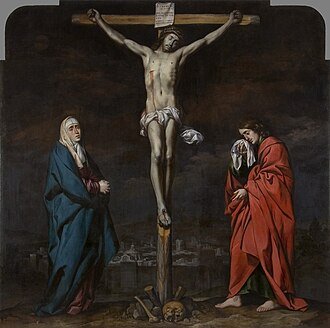
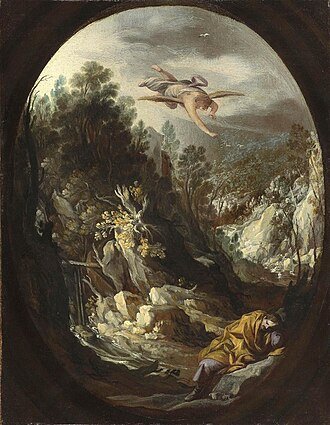
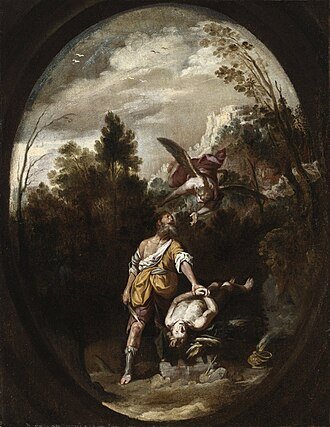
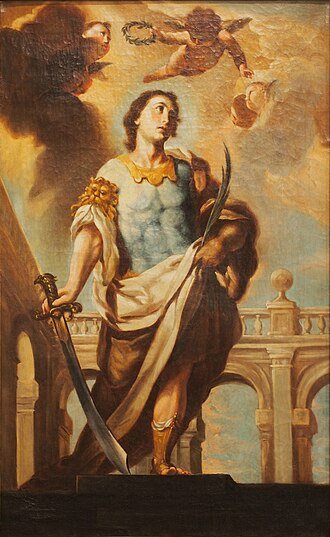
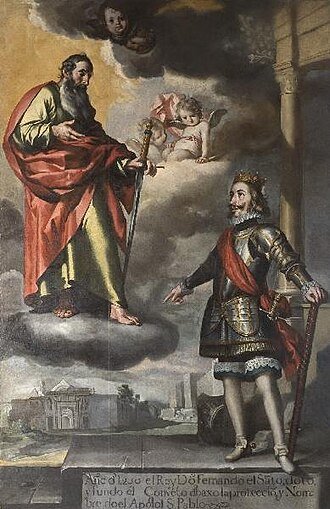
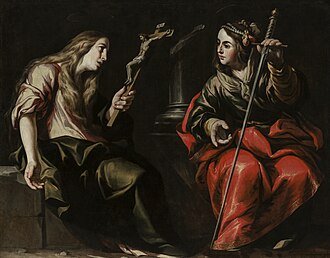
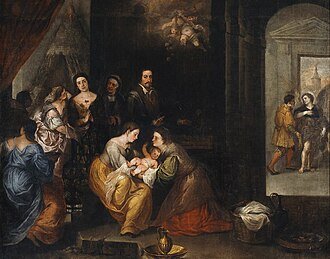
The museum is above all a museum of painting. Much of its collection relates to artists from Córdoba or from the surrounding province, and its oldest pieces come from the former apse of the mosque-cathedral, now the Chapel of Villaviciosa, where paintings were found in 1880 during restoration work. The sixteenth-century works, in which local painting moved away from Flemish influence towards Italian Renaissance models, form a notable group, such as Alejo Fernández's Christ Tied to the Column with Saint Peter and Donors. From the seventeenth century come several canvases by Antonio del Castillo y Saavedra, including Calvary of the Inquisition and Sacrifice of Isaac, along with works by Antonio Palomino.
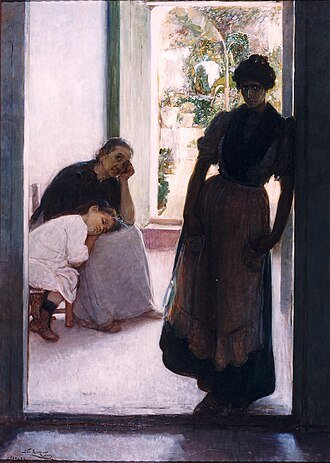
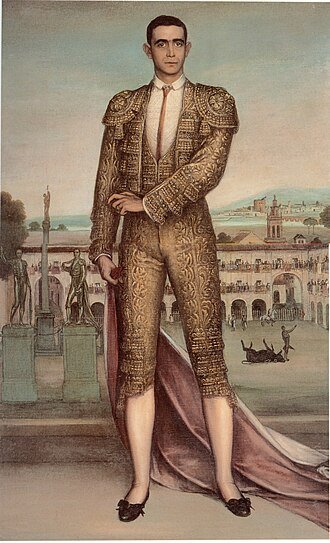
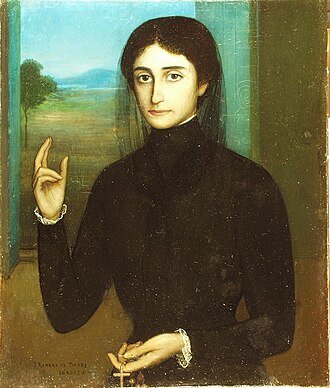
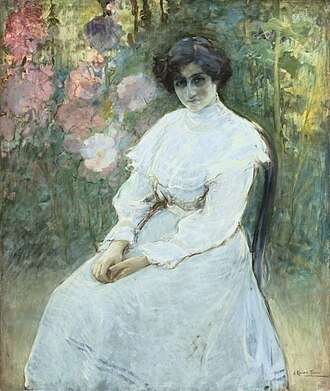
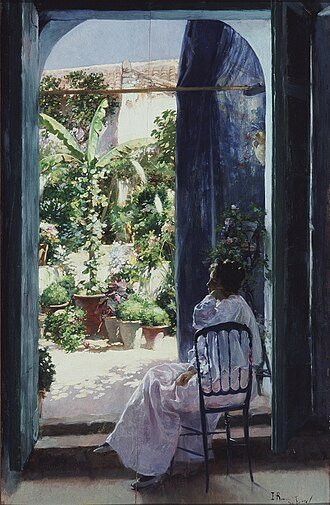
The Modern Art section, created in the twentieth century, brings together contemporary painting and houses the Julio Romero de Torres group, with titles such as Mal de amores and Un patio andaluz. The building is arranged over two floors with three galleries on each, and the display traces the art of the city and province from the fourteenth century to the present. The current director is José María Domenech Vázquez, appointed in March 2021.
Works